
The Allure of Casinos: Environmental Cues
Casinos are designed to create an immersive experience that influences players’ psychology. The combination of lights, sounds, and even scents is meticulously crafted to keep players engaged. This sensory stimulation triggers excitement and anticipation, which can lead to increased betting. For further insights into the impact of various factors on gambling behavior, resources can be found here, enhancing our understanding of why some players feel an overwhelming impulse to gamble.
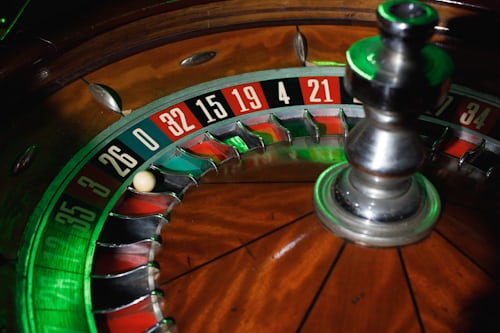
The placement of games, the use of vibrant colors, and the constant buzzing of slot machines are all strategic choices. They create an atmosphere of hope and possibility, making players believe that a big win is just around the corner. This manipulation of the environment plays a crucial role in shaping the mindset of casino-goers, often blurring the lines between rational decision-making and emotional responses.
The Power of Narratives and Expectations
The psychology of winning in a casino also stems from the stories we tell ourselves. Players often develop narratives around their gambling experiences, such as the idea that they are “due” for a win after a losing streak. These personal myths can significantly impact their gambling behavior, leading to increased risk-taking and a false sense of control over the outcomes. Unknown influences can intercede at various points, making it essential to acknowledge these narratives critically.
Furthermore, expectations are shaped by both personal experiences and external influences, such as advertisements and testimonials. When players enter a casino, they often carry the weight of these narratives, which can distort their perception of reality. They may overlook the odds stacked against them, focusing instead on the thrill of potential success, ultimately influencing their willingness to gamble more.
Emotional Responses and Decision-Making
Emotions play a critical role in decision-making within the casino environment. The thrill of winning can trigger a rush of adrenaline, leading to impulsive decisions and further gambling. Conversely, losing can evoke feelings of frustration or disappointment, prompting players to double down in hope of recapturing their losses. This cycle of emotional highs and lows creates a rollercoaster experience that can be difficult to break free from.
Additionally, the concept of loss aversion comes into play, where players tend to prefer avoiding losses over acquiring equivalent gains. This psychological phenomenon can lead to a heightened desire to continue playing, as players feel compelled to ‘win back’ what they’ve lost, often leading to greater financial losses over time.
Social Influences and Gambling Behavior
Gambling is inherently a social activity, and the presence of others can significantly influence individual behavior. Observing fellow players win can create a sense of camaraderie and excitement, prompting players to join in and try their luck. Conversely, negative experiences among peers can lead to immediate shifts in an individual’s willingness to gamble. This social dynamic can amplify both the positive and negative aspects of the casino experience.
Friends and acquaintances can also serve as a source of encouragement or caution. The social environment in casinos often creates a bandwagon effect, where players feel compelled to participate because “everyone else is doing it.” Understanding these social influences can illuminate how they contribute to the overall psychology of winning, reinforcing certain gambling behaviors.

Conclusion: Insights for Responsible Gambling
Understanding the psychology of winning in a casino environment is essential for fostering a safer and more responsible gambling culture. By being aware of how environmental cues, personal narratives, emotional responses, and social influences shape behavior, players can make more informed decisions. This awareness can contribute to healthier gambling practices and encourage individuals to recognize when to walk away.
Sites like Watergovernance.ca aim to provide resources and insights across various sectors, including responsible gambling practices. By fostering understanding and collaboration, stakeholders can work towards creating better policies that ensure a safe and informed gambling environment for everyone.